Choosing a Commercial Pool Service Provider: A Checklist for Strata and Building Managers

FAM Team
Nov 3, 2026
8 min read
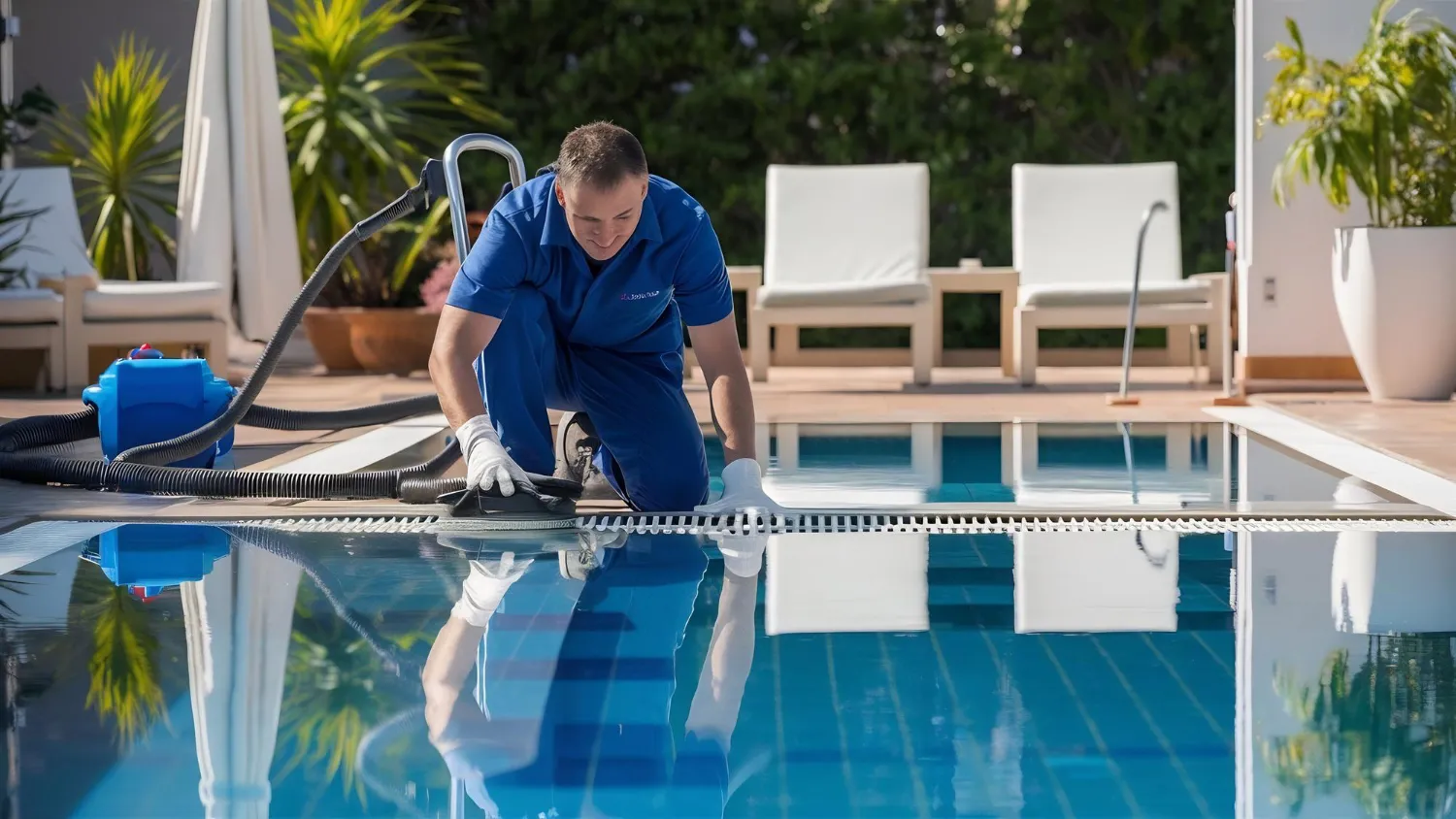
Most building managers only think about their pool provider when something goes wrong. The water turns green before a long weekend, a resident complains about the smell, or the pump fails and nobody noticed it was struggling.
By then, switching providers is urgent. It's much easier to choose well the first time.
This checklist covers the 12 questions worth asking any commercial pool service before you sign, what a good answer sounds like, the red flags to watch for, and how to compare quotes that rarely include the same things.
Why commercial pools need a different kind of provider
A backyard pool and a building's pool look the same, but they're different jobs.
More swimmers. A shared pool can see more people in a weekend than a home pool sees in a month, and every swimmer uses up chlorine.
More responsibility. In a strata scheme, the owners corporation must maintain common property, including the pool. Hotel and serviced apartment pools are public pools under NSW law, with mandatory testing and record keeping.
More people to answer to. Committees, residents, guests, strata managers and sometimes council inspectors.
More at stake. A closed pool means complaints, bad reviews and, in serious cases, health risks.
A good commercial provider understands this and works to it. A provider who mainly services backyard pools may not.
The 12 questions to ask
# | Ask | A good answer sounds like |
|---|---|---|
1 | How often will you service our pool, and why? | A schedule based on your pool's size, use and season, with extra summer visits, not a flat "once a week" for every site. |
2 | What exactly happens at each visit? | A clear list: test and balance chemicals, skim, brush, vacuum, empty baskets, check equipment, and record results. |
3 | How do you test the water? | A DPD photometer or similar calibrated instrument that gives accurate, recordable readings. For public pools, NSW Health's 2026 guidelines don't recommend domestic test kits or test strips because they aren't as accurate. |
4 | What records will we receive? | Logged results every visit (date, time, chlorine, pH, alkalinity, technician's name), easy to access and file for committee meetings. |
5 | Will the same technician come every time? | Yes, ideally. Someone who knows your pool spots changes early. |
6 | Who supplies the chemicals, and how are they handled? | The provider supplies, doses and handles chemicals safely, following their Safety Data Sheets, and doesn't leave them where residents or guests can reach them. |
7 | Are you insured? Can we see a certificate of currency? | Yes, with current public liability insurance at a level suitable for commercial sites. Ask for the certificate, not just a verbal yes. |
8 | What safety procedures do you follow on site? | Documented safe work procedures for chemical handling, plant rooms and working around residents or guests. |
9 | How do you handle urgent problems? | Clear response arrangements for urgent issues, agreed upfront for your site, and who to contact, rather than a vague "as soon as we can". |
10 | How do you handle repairs? | A written quote before any work beyond regular servicing, so it can be approved. Genuine parts and honest advice on repair versus replace. |
11 | Do you check the barrier and gates? | They report broken gates, latches, faded CPR signs or anything climbable near the fence, even if barrier repairs are done by someone else. |
12 | Can you look after multiple sites? | Consistent standards and reporting across your buildings, and invoicing that suits your strata manager or accounts team. |
Red flags
No written test results. If it isn't recorded, you can't prove it happened.
Different technician every visit. Problems slip through when nobody knows the pool.
Vague pricing, such as "chemicals extra" with no estimate.
Repairs done first, explained later. In strata, unapproved spending creates real problems for the committee.
No insurance certificate, or reluctance to provide one.
Test strips as the only testing method for a busy commercial pool or spa.
Long lock-in contracts with heavy exit fees and no performance standards.
Problems found by residents before the provider reports them.
How to compare quotes fairly
Commercial pool quotes are hard to compare because they rarely include the same things. Put them side by side using these points:
Compare | Questions to ask |
|---|---|
Visit frequency | How many visits per week? More in summer? |
What's included per visit | Cleaning, testing, equipment checks, reporting? |
Chemicals | Included, or charged on top? Estimated monthly cost? |
Reporting | Logs every visit? Monthly summary? |
Repairs and call-outs | Hourly rate? Call-out fee? Written quotes first? |
Urgent issues | How are they handled, and who do we contact? |
Contract terms | Minimum term? Notice period? |
Insurance | Certificate of currency provided? |
The cheapest weekly price often hides chemicals, call-out fees or thin reporting. The quote that costs least over a year, with the fewest surprises, is usually the better value.
Switching providers without the headache
If you're changing pool companies, a few steps make the handover smooth:
Ask the outgoing provider for records: recent test logs, equipment details, and any known issues or warranties.
Book an inspection with the new provider before the old contract ends, so nothing is missed in between.
Get a starting condition report. It sets a baseline and protects everyone if issues show up later.
Tell building management and residents who the new provider is and when they'll be on site.
Review after 3 months. Check the logs, how issues were handled and resident feedback against what was promised.
Printable checklist
Download the printable checklist (PDF) → One page, with tick boxes to compare up to three providers side by side.
Servicing schedule based on our pool's use and season
Clear list of what happens each visit
Accurate testing method (photometer, not strips)
Logged results every visit, easy to access
Same technician wherever possible
Chemicals supplied and handled safely
Certificate of currency for public liability insurance
Documented safe work procedures
Clear response arrangements for urgent issues, agreed upfront
Written quotes before repairs
Barrier and gate issues reported
Able to manage multiple sites and invoice the way we need
How FAM answers these questions
We built FAM around the things building managers told us they couldn't get from bigger companies: the same technician every visit, honest advice with no upsells, records you can actually use, and dealing directly with the owner. We test with professional digital devices (Palintest and WaterLink® Spin Touch®), work under documented Safe Work Procedures, hold public liability insurance with Zurich, and can look after several buildings with direct invoicing.
If you'd like to put us through this checklist, we're happy to answer every question in writing.
See our commercial pool care → or get a free quote →
This article is general information for building and facility managers, not legal advice.
Sources
NSW Health — Guidelines for Managing Water Quality in Public Swimming Pools and Spa Pools (August 2026)
NSW Health — Public swimming pools and spa pools
NSW Government — Owning a pool or spa: your obligations
NSW Legislation — Strata Schemes Management Act 2015, section 106 (owners corporation responsibility for common property maintenance)
“The right pool provider makes the pool one less thing to think about. Ask the right questions before you sign.” – FAM Team